The Cuban Exodus
The New Yorker
Editorial
Cuba
2025
The Cuban Exodus
The New Yorker
Editorial
Cuba
2025
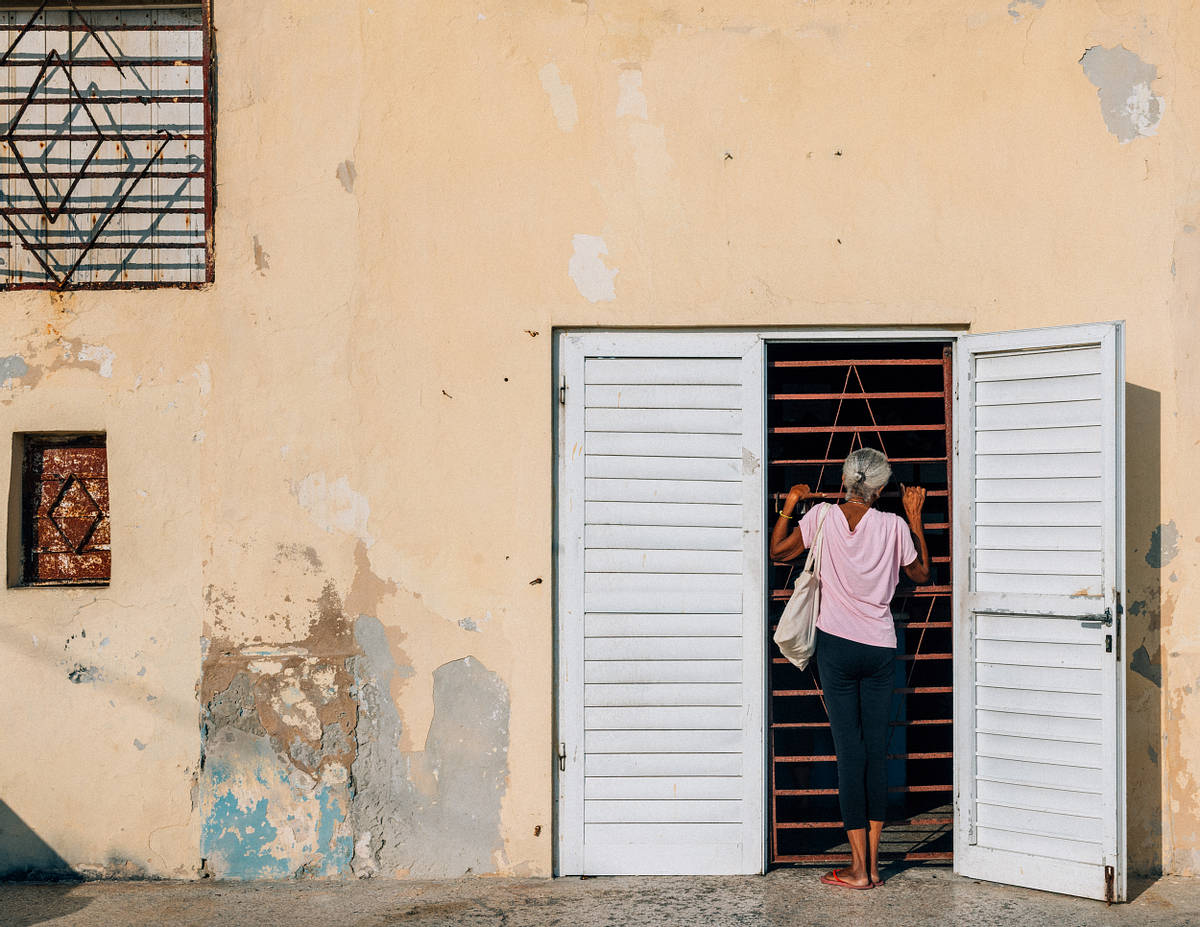
Tourism, once the country’s main source of income, has fallen by more than half in the past decade. This is partly because of covid-19, which shut down public life for nearly two years. But, even before then, tourists were deterred by sanctions imposed by President Donald Trump and by an increasing ambience of decline. During a recent visit, I found the once jammed neighborhood of Old Havana nearly empty, except for a handful of hustlers glumly hawking cut-price cigars, rum, and sex. Homeless men lay slumped on the sidewalks. Outside La Bodeguita del Medio, which was once patronized by Pablo Neruda and Ernest Hemingway, a pair of elderly women in colorful dresses and head wraps stood with cigars in their mouths, watching for Americans they could bully into paying to pose with them for photographs. One of them, manhandling a middle-aged tourist, made a lewd offer—“I’ll suck it if you want, papi”—as his friend snapped a pic.
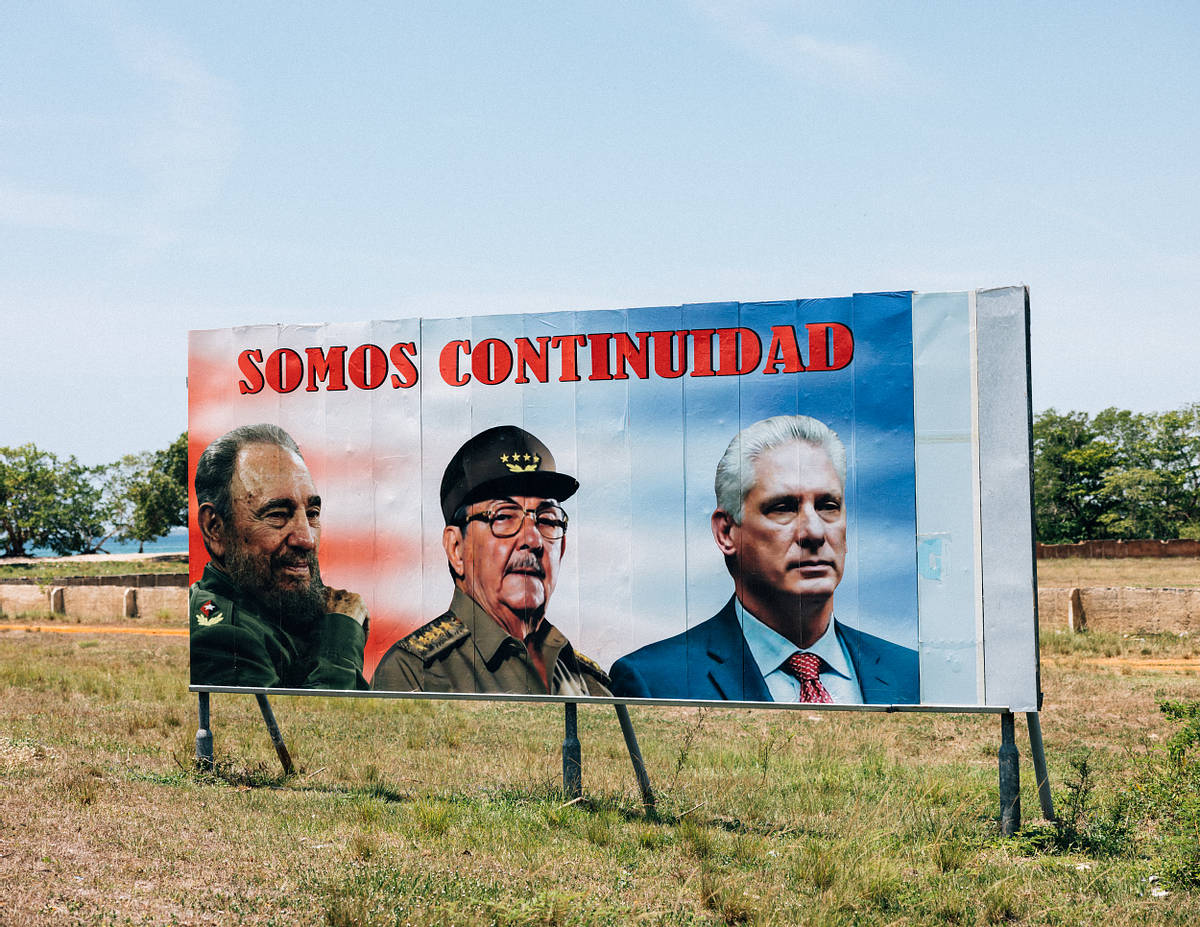
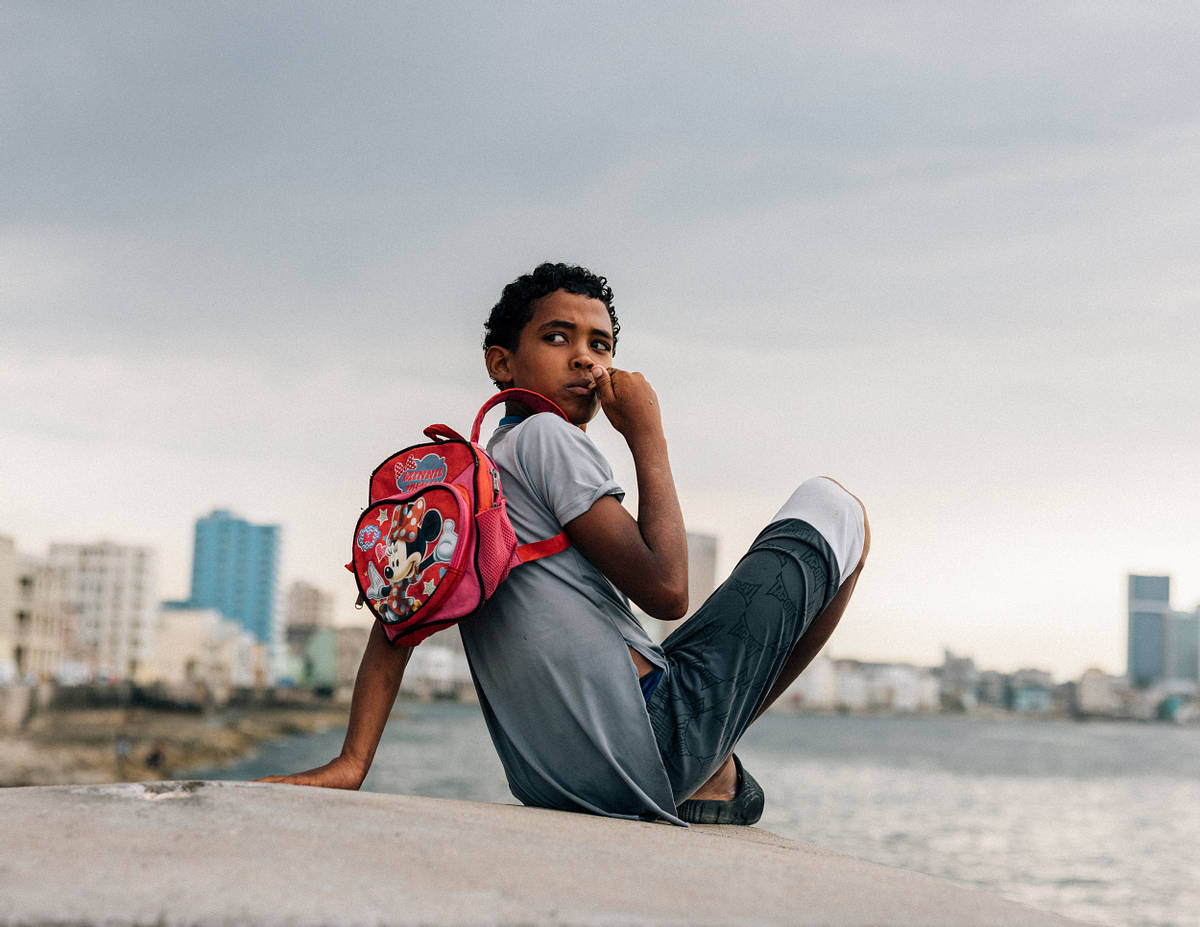
But the main cause of the island’s vacancy is not that visitors have stopped coming; it’s that the citizens have fled. The exodus began in 2021, when anti-government rallies filled the streets, protesting oppressive policies and the lack of medicine and food. Castro had died five years before, but the Communist Party retained its grip on power, and it put down the protests harshly, jailing and beating hundreds of demonstrators. Since then, an estimated eighteen per cent of Cubans—as many as two million residents—have left. This represents the largest outflux in the sixty-six-year span of the tumultuous Revolution. (By comparison, an estimated two hundred and fifty thousand Cubans immigrated to the United States in the years after Castro seized power. The Mariel boatlift, in 1980, was seen in the U.S. as an epochal crisis; it involved about a hundred and twenty-five thousand migrants.)
Continue Reading

While I was in Havana, I visited the Centro Fidel Castro Ruz, a museum dedicated to the late Cuban leader. It is housed in an ornate villa, near the Torre K23, that once belonged to one of Cuba’s wealthiest families—a legacy of the sugar boom. A guide was leading a group of middle-aged women through the exhibitions. The women, visitors from the countryside, seemed awed by everything. In one room, they stopped to admire a display of Castro’s guns and uniforms. Farther on, an electronic map showed the countries he had visited as Jefe Máximo; another showed those he’d “helped” militarily—places like Vietnam, Angola, and Nicaragua. There was a display of books about him in various languages, selected to make Castro seem like a figure of global stature.

Midway through the tour, a man in a guayabera joined the group. He was Cuba’s labor minister, and he spoke to the women for a few minutes. They were, it turned out, state employees who had performed well and had been rewarded with a trip to Havana. It was hard not to think that their government jobs might get them barred from the U.S., if they ever tried to escape. In Cuba, though, whatever privations they had endured, their fealty had earned them the gift of a talk from a minister of the Revolution.